Evaluating the Expenses Tracker KDP Interior for Your Publishing Needs
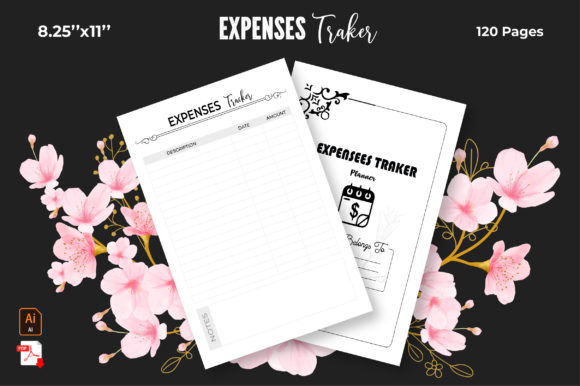
In the world of low-content and no-content publishing, a product like the Expenses Tracker KDP Interior represents a specific type of tool for entrepreneurs. It is a pre-designed, formatted digital file intended for creators who wish to publish physical notebooks or logbooks on platforms like Amazon Kindle Direct Publishing (KDP). This particular interior is designed specifically for tracking expenses, offering 120 pages of structured layouts ready for printing. Understanding its specifications, potential applications, and inherent trade-offs is crucial for anyone considering it for their publishing business.
What Is the Expenses Tracker KDP Interior?
The Expenses Tracker is a digital product package consisting of page layouts for a book. Its core purpose is to serve as the inside pages, or "interior," of a physical paperback book focused on expense tracking. The specifications state it is formatted for standard US letter size (8.5" x 11" inches), contains 120 pages, and is provided in multiple file formats: JPEG, PDF, and editable Adobe Illustrator files. This multi-format approach is key, as it offers both ready-to-upload convenience and a degree of customization for those with the appropriate software skills.
The product is marketed as being "100 formatted and tested for KDP," which suggests it has been configured to meet Amazon's technical requirements for paperback interiors, such as margin settings and bleed areas. This pre-testing can potentially reduce upload errors and formatting issues, a common hurdle for new KDP publishers.
Reasons for Interest and Potential Benefits
Individuals researching this Expenses Tracker interior are typically evaluating it as a business asset. The primary appeal lies in its potential to reduce the time, cost, and technical expertise required to launch a low-content book.
Key Benefits and Considerations
The main benefit is efficiency. Creating 120 pages of consistent, functional expense-logging layouts—with categories for date, description, amount, and totals—requires significant design effort. This product eliminates that initial design work. The claim of being "ready for printing and upload" addresses a major need for speed-to-market. For someone building a portfolio of niche logbooks, this can accelerate production.
A secondary benefit is the included customization potential through the Adobe Illustrator files. For publishers with access to and knowledge of this software, it allows for branding adjustments, color changes, or minor layout tweaks. This can help differentiate a final published book from others using the same base template. However, this benefit is contingent on the user's technical capability; without it, the JPEG and PDF versions offer no easy customization.
Trade-offs and Important Expectations
While the convenience is clear, relying on a pre-made interior involves several trade-offs that must be weighed. The most significant is market saturation. Since this interior is available for purchase, other publishers can also use it. If many do, the market for expense tracker books using this identical layout could become crowded, potentially making individual titles harder to market unless combined with strong cover design, targeted keywords, and effective marketing.
Another consideration is the specificity of the design. An expenses tracker interior is inherently niche. It suits only those intending to publish a book for financial logging. This limits its versatility compared to more generic journal or planner interiors. The publisher must already have identified expense tracking as a viable niche for their KDP business.
Furthermore, the "no content" aspect means the publisher's responsibility is the cover, title, description, and marketing. The interior provides only the structure, not the content. Success depends entirely on the publisher's ability to handle these other elements effectively. The product does not guarantee sales; it merely provides one component of the final book.
Situations Where This Interior is a Strong Fit
The Expenses Tracker KDP Interior may be an excellent fit in specific scenarios. It aligns well with publishers who have proven success in other low-content niches and are looking to expand their catalog into the financial organization space without investing in new custom design. It is also a strong match for absolute beginners who want their first KDP upload to be as technically smooth as possible, valuing the pre-testing and formatted files to avoid initial rejection.
Additionally, it fits publishers who operate at volume, aiming to release multiple books quickly across different niches. The ready-to-upload feature supports a rapid production cycle. For those with Adobe Illustrator skills, the editable files offer a middle path between fully custom and completely template-driven, allowing for a unique product without starting from scratch.
When Alternatives Might Be Worth Considering
In other situations, alternatives should be explored. If a publisher's goal is to build a highly distinctive brand with a unique visual identity, investing in a completely custom-designed interior—either by learning design software or hiring a designer—might yield a more competitive and cohesive product line. While more costly upfront, it offers long-term differentiation.
For publishers uncertain about the expense tracker niche's viability, starting with a more versatile interior, like a blank notebook or a broader-purpose planner, might be a safer first step. This allows testing the KDP process with a product that could appeal to a wider audience.
Another alternative is using free KDP interior templates provided by Amazon or other communities, though these often lack the niche-specific structuring of a dedicated expenses tracker. This path requires more adaptation but reduces initial monetary investment.
Practical Decision-Making Insights
Evaluating whether the Expenses Tracker aligns with your goals requires a clear assessment of your resources and strategy. Consider your technical comfort: Are you prepared to use the provided files as-is, or do you have the skills to customize them? Analyze your business model: Are you focused on rapid, volume-based publishing, or on building a few standout, branded products?
It is also practical to research the current Amazon marketplace for expense tracker books. A quick search can reveal how many similar books exist and what their covers and descriptions look like. This market analysis will inform whether using a popular template will still allow you to compete effectively with superior presentation and marketing.
Finally, calculate the investment. The cost of the Expenses Tracker interior is a fixed expense. Compare it against the cost and time of creating your own 120-page interior, even using simpler tools like Canva or Microsoft Word. The decision often boils down to a trade-off between monetary cost and time cost, balanced against your need for uniqueness in a crowded platform.
The Expenses Tracker KDP Interior is a tool that solves a specific problem—the design of a niche book interior—for a specific audience—low-content KDP publishers. Its value is not universal but situational. By understanding its role as a component within a larger publishing process, and by honestly assessing your own skills, business goals, and the competitive landscape, you can make an objective determination on whether it is the right asset to help you achieve your publishing objectives.