The Essential Role of a Structured Astronomy Observation Log
For anyone captivated by the night sky, from the casual backyard observer to the dedicated amateur astronomer, the act of recording what you see is a fundamental part of the journey. While a simple notebook can suffice, a purpose-built astronomy observation book interior transforms this practice from a casual note-taking exercise into a powerful tool for learning, discovery, and long-term data analysis. Such a logbook is more than blank pages; it is a structured framework designed to capture the nuances of celestial observation systematically.
Core Components of a Professional Observation Log Interior
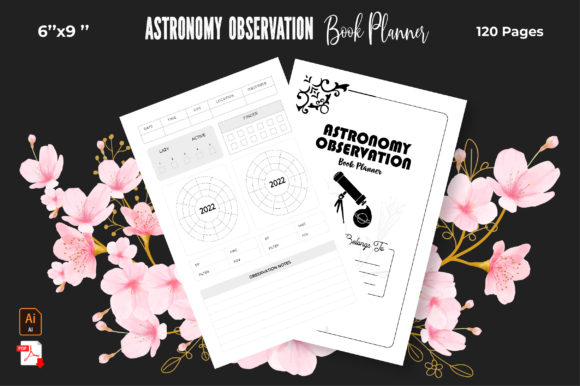
A well-designed astronomy observation journal provides specific sections and prompts that guide the user. This structure ensures consistency across entries, which is vital for comparing observations over time. Common elements found in a professional-grade interior include dedicated areas for the date, time, and location, with precise fields for latitude and longitude. Weather and atmospheric conditions, such as cloud cover, humidity, and transparency, are also crucial, as they dramatically affect viewing quality.
The heart of the log is the observation entry itself. This typically breaks down into the object name, its constellation, and the equipment used. Fields for telescope type, aperture, and eyepiece details allow you to correlate what you saw with the tool you used. Most importantly, there is ample space for a detailed description. This is where you sketch planetary features, note the brightness of a variable star, describe the structure of a nebula, or record the changing position of a comet.
Why a Customized Interior Elevates Your Practice
Using a generic notebook often leads to incomplete or disorganized records. The prompts in a specialized astronomy observation book interior serve as a checklist, ensuring you capture all relevant data. This disciplined approach has tangible benefits. It trains you to be a more methodical observer, noticing details you might otherwise overlook. Over months and years, this compiled personal database becomes invaluable. You can track the orbital motion of Jupiter's moons, monitor the light curve of a variable star, or simply relive the night you first resolved the Cassini Division in Saturn's rings.
For educators and students, such a logbook is an exceptional pedagogical tool. It formalizes the observation process in a classroom setting, teaching students not just what to look for, but how to document scientific data properly. For researchers and serious hobbyists, these logs can contribute to longitudinal studies or personal research projects. The act of writing and sketching also deeply embeds the experience in memory, creating a richer connection to the hobby than a fleeting glance through a telescope ever could.
The Practical Advantages of a Ready-to-Use KDP Interior
For entrepreneurs, creators, and small business owners in the low-content publishing space, offering a physical product like an astronomy observation logbook meets a clear market need. The availability of a professionally formatted astronomy observation book KDP interior download streamlines this process dramatically. Such a product is typically offered as a complete, tested package. A common specification, like a 6" x 9" trim size with 120 pages, is designed to be ready for printing and upload to platforms like Amazon KDP.
The key advantage here is readiness. The interior files, often provided in JPEG, PDF, and editable Adobe Illustrator formats, are already formatted and tested for the platform's requirements. This eliminates the technical hurdles of page layout, margin settings, and file preparation. The 120-page count offers a substantial logbook without being overwhelming, suitable for a year or more of regular observations. The inclusion of editable files also provides a crucial element: customization. A business owner can add their brand, adjust certain fields, or modify the design to cater to a specific niche, such as lunar observation or deep-sky logging, before uploading the final print-ready PDF.
Real-World Applications and User Scenarios
Consider the amateur astronomer who joins a local club. A standardized logbook helps them participate in club projects and share observations in a consistent format. A parent introducing their child to astronomy uses the structured pages to teach them how to record science, turning a fun activity into an educational exercise. A retired individual pursuing a new hobby finds the guided layout reassuring, providing a clear framework for their newfound interest.
From the business perspective, a creator using a pre-made astronomy observation book interior can quickly launch a product tailored to this audience. They can bundle it with other items, like constellation guides or planispheres, to create a starter kit for new stargazers. Educators can purchase these books in bulk for an astronomy class, ensuring every student has the same tool for their field work. The product serves a dual function: it is a useful tool for the end-user and a viable, straightforward product for the seller, requiring no content creation expertise.
Characteristics and Considerations for Selection
When evaluating an astronomy observation logbook, either for personal use or for business resale, certain characteristics stand out. The paper quality should be considered, as some users may prefer to sketch with pencil or ink. The logical flow of the pages is important—are there sections for yearly indexes, equipment lists, or observation goals? The balance between structured fields and free space for notes is also key; too rigid might frustrate, too open might lack guidance.
For the business owner assessing a KDP interior download, technical considerations come first. Confirm the files are indeed tested and meet KDP's often-updated specifications. The 6" x 9" size is popular and practical, but ensure your intended print provider supports it. The claim of 100% customization via editable files is significant; verify you have the software or skills to make those adjustments, or that the provider offers support. The 120-page count is a good standard, but understand if additional pages or different layouts are available to serve different customer segments.
Ultimately, the value of a specialized astronomy observation book interior lies in its intentional design. It acknowledges that astronomy is a visual and data-rich science, even for amateurs. It provides the scaffold upon which individuals can build their own repository of cosmic encounters. For the seller, it represents a tangible product that solves a specific problem for a passionate niche community, enabling a business opportunity that is both practical and aligned with the pursuit of knowledge. Whether you are looking to deepen your astronomical practice or offer a tool that helps others do so, a structured logbook interior is a foundational element in that process.