The Creative Power of Geometric Coloring Patterns
Imagine unlocking a toolkit of precise, scalable artwork that can seamlessly adapt from an adult coloring book page to a sophisticated product label, offering endless creative freedom for your projects.
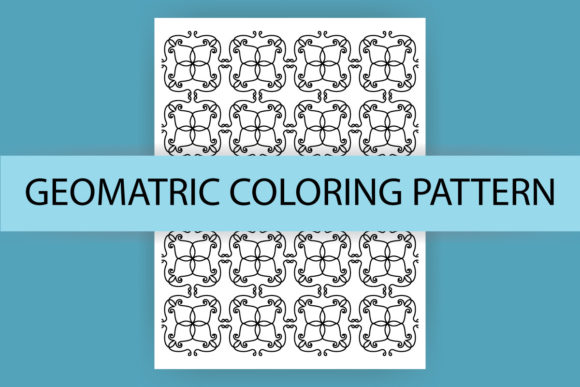
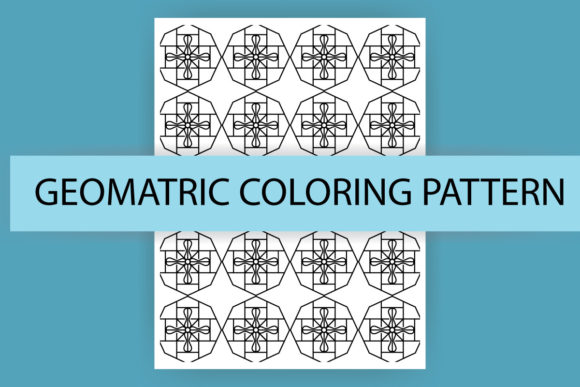
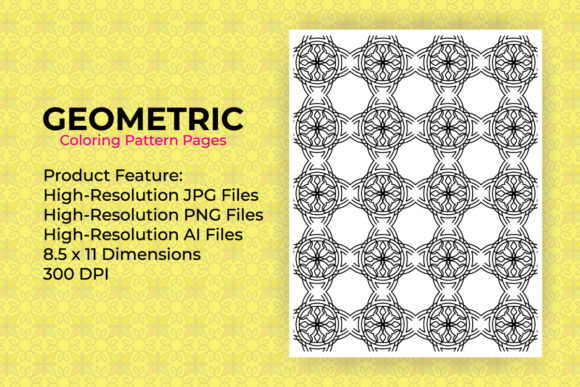
This is the inherent value of a well-designed Geometric Coloring Pattern - Kdp Interior package. These are not just simple drawings; they are versatile, high-quality digital assets engineered for professional use. Featuring AI vector files, high-resolution JPG and PNG formats at 300 DPI, and crisp 8.5 x 11 dimensions, these patterns provide a foundation of unique sharp lines ready to be integrated into virtually any visual design challenge. Their scalability and clarity make them a cornerstone asset for creators looking to elevate their work with consistency and modern aesthetics.
Why Geometric Patterns Matter in Design
In the realm of graphic design and visual communication, geometric patterns offer a unique blend of order and creativity. They establish visual rhythm and structure, which is crucial for creating effective brand identity and engaging user experiences. These patterns provide a reliable framework that can be customized with color and composition to suit specific project goals, from conveying a sense of precision in tech branding to evoking calm and focus in wellness-related materials.
The inherent scalability of vector-based geometric designs means they maintain their integrity whether printed on a large poster or displayed on a small mobile screen. This is vital for maintaining professional presentation across all touchpoints in a brand system, from packaging design to digital marketing collateral.
Practical Applications for Creators & Businesses
The true strength of these assets lies in their limitless applications. A single geometric pattern file can be the source of inspiration and execution for numerous creative projects.
- Branding & Merchandise: Use patterns as backgrounds for logo presentations, integrated into packaging design, or printed on apparel and physical products for a cohesive brand look.
- Digital & Print Marketing: Adapt patterns for social media graphics, advertising campaigns, email headers, and physical marketing materials like brochures and flyers to create a recognizable visual thread.
- Content Creation & Publishing: As the core interior pages for KDP coloring books, these patterns are a direct product. Beyond that, they serve as elegant backgrounds for editorial design in magazines, book covers, and presentation slides.
- Craft & Physical Products: The high-resolution files are perfect for physical applications like scrapbooking, card making, wrapping paper, party invitations, and printing labels, bridging digital design with tangible outputs.
Tips for Maximizing Impact in Your Projects
To leverage these design assets effectively, consider your overall design workflow and visual goals. Start by defining the role of the pattern: is it a dominant background element or a subtle texture? Your choice will influence visual hierarchy and readability.
Next, experiment with color palettes. A geometric pattern’s lines provide the structure, but color injects emotion and aligns with brand identity. A vibrant palette might suit a party invitation, while muted tones could enhance a professional greeting card. Always ensure the pattern complements, not competes with, other elements like typography and imagery.
Finally, prioritize consistency. Using the same pattern family across different materials—from your website’s UI design elements to your product’s physical packaging—builds a stronger, more memorable brand experience for your audience. The clean, sharp lines of a quality geometric pattern ensure this consistency remains sharp and professional at every scale.
In the end, thoughtful design choices rooted in flexible, high-quality assets like geometric coloring patterns empower you to communicate more clearly and aesthetically. They transform from simple pages into the backbone of diverse creative projects, improving not only the final product's look but also its ability to connect and engage with its intended audience, proving that great visual design is both an art and a strategic tool.