Mastering Your Fitness Journey with a Comprehensive Exercise Planner
Welcome to the world of fitness planning, where organization and consistency meet to help you achieve your health and wellness goals. Whether you're a beginner or a seasoned athlete, an exercise planner is a powerful tool that can guide you through your fitness journey, ensuring you stay on track and motivated.
What is an Exercise Planner?
An exercise planner is a structured document or digital tool designed to help you plan, track, and manage your workouts. It typically includes sections for setting goals, scheduling exercises, tracking progress, and noting important details like rest days and nutrition.
The Purpose and Significance of an Exercise Planner
The primary purpose of an exercise planner is to provide a clear, organized, and actionable roadmap for your fitness routine. Here’s why it’s so significant:
- Goal Setting: Helps you define and focus on specific, achievable goals.
- Consistency: Keeps you on track with regular workouts, reducing the likelihood of falling off the wagon.
- Progress Tracking: Allows you to monitor your progress, making adjustments as needed.
- Motivation: Provides a visual reminder of your achievements and upcoming challenges.
How an Exercise Planner Fits into Modern Life
In today’s fast-paced world, finding time for fitness can be challenging. An exercise planner helps integrate workouts into your daily routine, making it easier to balance work, family, and personal well-being. Whether you’re a busy professional, a student, or a parent, having a well-structured plan can make a significant difference in maintaining a consistent fitness regimen.
Components of a High-Quality Exercise Planner
A comprehensive exercise planner should include several key components to be effective. Here’s what to look for:
- Goal Setting Section: A place to write down your short-term and long-term fitness goals.
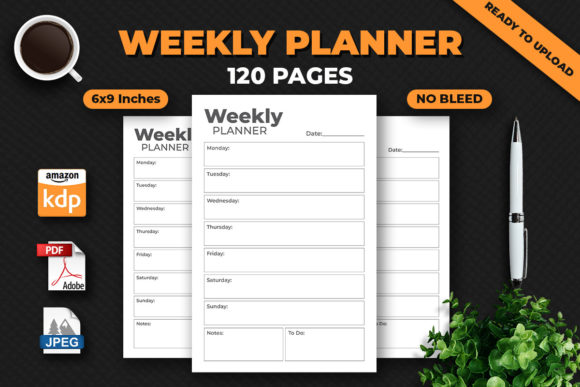
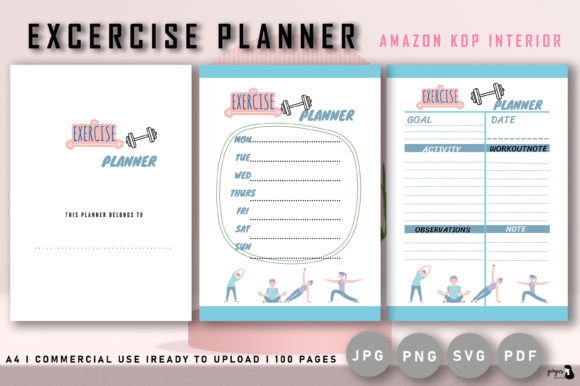
- Weekly Schedule: A calendar or grid to plan your workouts for each day of the week.
- Exercise Log: A detailed section to record the type, duration, and intensity of each workout.
- Progress Tracker: A chart or graph to visualize your progress over time.
- Nutrition Notes: A space to jot down dietary information and meal plans.
- Rest and Recovery: Reminders for rest days and tips for recovery.
Practical Examples and Usage
Let’s consider a few practical examples of how you might use an exercise planner:
- Beginner’s Plan: If you’re just starting out, your planner might include a 30-day challenge with simple, low-impact exercises like walking, stretching, and basic strength training. You can set a goal to walk 10,000 steps per day and gradually increase the intensity of your workouts.
- Advanced Athlete: For someone more experienced, the planner could include a detailed breakdown of high-intensity interval training (HIIT) sessions, weightlifting routines, and specific performance metrics to track, such as lifting weights or running times.
- Weight Loss Focus: If your goal is weight loss, your planner might include a combination of cardiovascular exercises, strength training, and a detailed nutrition plan. You can set weekly weight loss goals and track your calorie intake and expenditure.
Common Misunderstandings and Clarifications
One common misunderstanding about exercise planners is that they are only for highly disciplined individuals. In reality, anyone can benefit from using a planner, regardless of their current fitness level or experience. Another misconception is that a planner must be complex and rigid. The best planners are flexible and can be adapted to fit your unique needs and lifestyle.
Building a Broader Understanding
To build a broader understanding of exercise planning, it’s essential to recognize its role in various aspects of life. For example, in the workplace, a well-structured exercise plan can boost productivity and reduce stress. In education, students can use planners to maintain a healthy balance between academic responsibilities and physical activity. In creative fields, regular exercise can enhance creativity and mental clarity.
Ready to Upload to KDP: High-Quality Print Ready PDF
If you’re looking to create or purchase an exercise planner, consider one that is ready to upload to Kindle Direct Publishing (KDP). This means the planner is already formatted and optimized for high-quality printing. Here’s what you get:
- PDF File: A high-resolution, print-ready version of the planner.
- JPG File: A versatile image format for sharing and viewing on various devices.
- PNG File: A transparent background image format, ideal for editing and design.
- SVG File: A scalable vector graphic format, perfect for resizing without losing quality.
- Ready to Upload to KDP: All files are formatted and ready for self-publishing on Amazon’s KDP platform.
Conclusion
An exercise planner is a valuable tool that can help you achieve your fitness goals, whether you’re a beginner or an experienced athlete. By providing structure, motivation, and a way to track your progress, a well-designed planner can make a significant difference in your fitness journey. With the right tools and a bit of dedication, you can transform your health and well-being, one workout at a time.
Start your fitness journey today with a comprehensive exercise planner, and take the first step towards a healthier, happier you!